When Do You Need a Dental Filling?
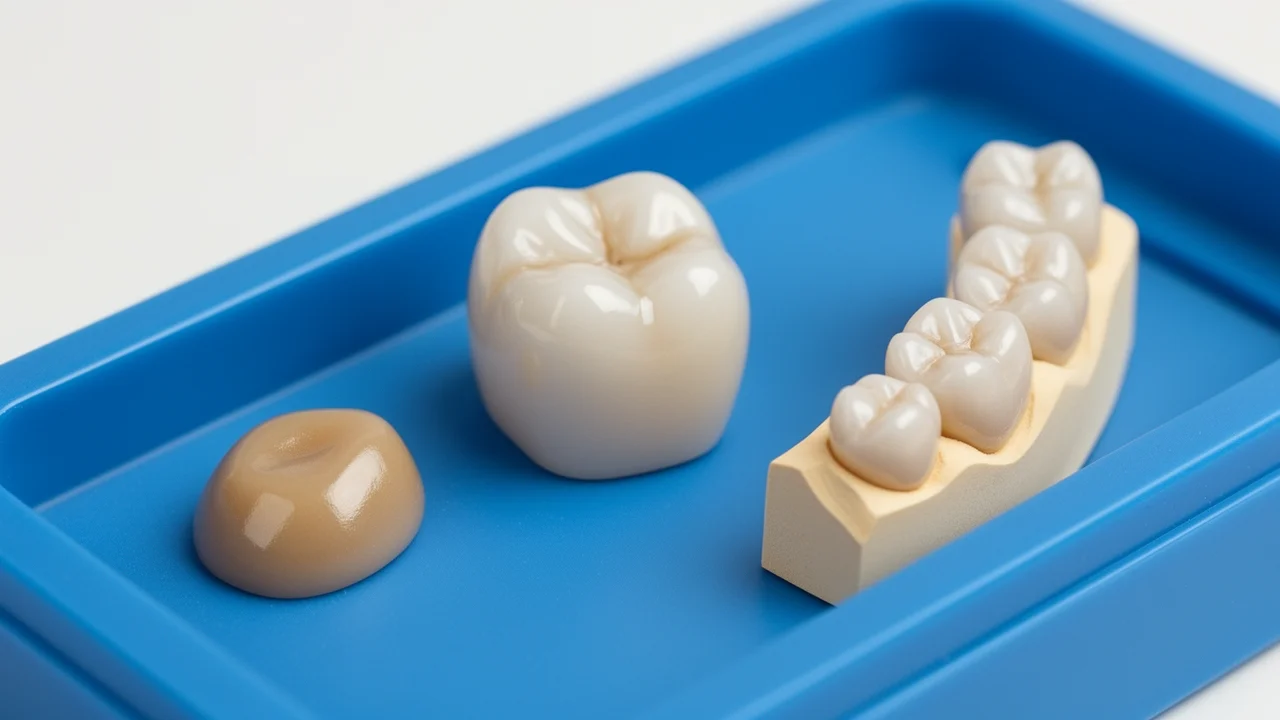
A dental filling is the most common restorative procedure, used to treat cavities (dental caries) caused by tooth decay. When bacteria in plaque produce acids that erode tooth enamel, it creates a small hole or cavity. If detected early during a routine dental exam, a filling can stop the decay and restore the tooth’s shape and function. At McAllen Dental, we primarily use tooth-colored composite resin fillings. These materials bond directly to the tooth, require less removal of healthy tooth structure than older silver amalgam fillings, and provide a natural, aesthetic result that blends seamlessly with your smile.
What is a Dental Crown and When is it Recommended?
A dental crown, sometimes called a cap, is a custom-made restoration that fully covers a damaged tooth. It is recommended in several situations: to protect a weak tooth from breaking (especially after a root canal), to restore a tooth that is already broken or severely worn down, to cover a dental implant, or to improve the appearance of a misshapen or discolored tooth. The process typically involves two visits: first to prepare the tooth and take an impression, and second to cement the permanent crown. Crowns can be made from various materials, including porcelain-fused-to-metal for strength or all-ceramic for the most natural appearance in visible areas.
How Does a Dental Bridge Replace Missing Teeth?
A dental bridge literally “bridges” the gap created by one or more missing teeth. A traditional bridge consists of two or more crowns for the teeth on either side of the gap (called abutment teeth) and a false tooth/teeth (called pontics) in between. The crowns are cemented onto the prepared abutment teeth, holding the pontic in place. This restoration not only improves your smile’s appearance but also restores your ability to chew and speak properly, prevents remaining teeth from shifting out of position, and maintains the shape of your face. For patients seeking a comprehensive approach to oral health that includes replacing missing teeth, Dr. Joey Cazares, DDS provides expert guidance on the best option for your situation.
What Are the Benefits of Modern Restorative Materials?
Modern dentistry offers materials that are both highly durable and aesthetically superior. Tooth-colored composite resins and ceramics can be precisely matched to the shade of your natural teeth, making restorations virtually invisible. These materials also bond chemically to tooth structure, which can strengthen the remaining tooth. Furthermore, ceramic crowns and bridges are highly biocompatible and resistant to staining. The use of CAD/CAM technology allows for the precise digital design and milling of some restorations, potentially enabling crown placement in a single visit. This commitment to advanced materials and techniques is a standard upheld by leading dental professionals, including those recognized by the Texas Academy of General Dentistry.
Caring for Your Restorations for Longevity
With proper care, modern dental restorations can last for many years. Fillings and crowns typically last 5-15 years or longer, depending on the material and your oral hygiene. To protect your investment, maintain excellent oral hygiene with brushing, flossing (using special floss threaders for bridges), and regular professional cleanings. Avoid habits like chewing ice, hard candy, or using your teeth as tools. If you grind your teeth at night, a custom nightguard from our office can protect both your natural teeth and your restorations. Regular check-ups allow Dr. Cazares to monitor the condition of your restorations and the health of the underlying teeth.