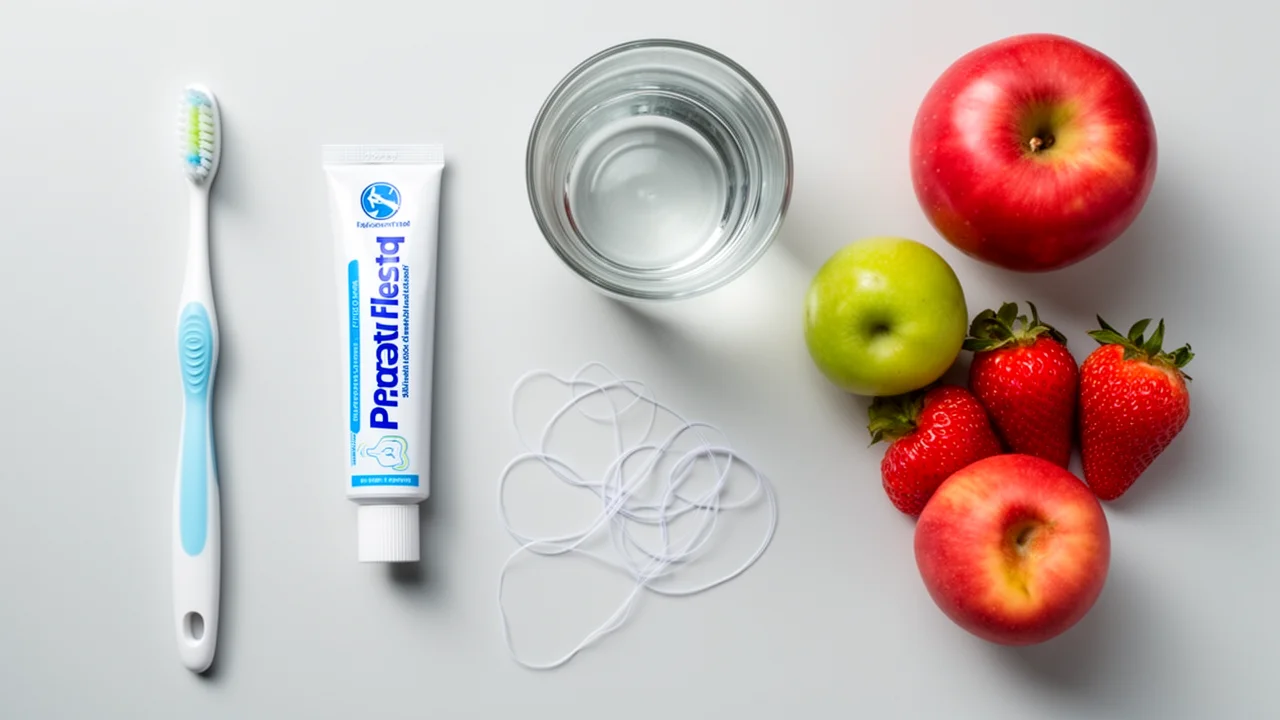
The Foundation: Daily At-Home Care
Consistent daily habits are your first and most powerful defense against dental problems. Brushing twice a day for two minutes with a fluoride toothpaste and a soft-bristled toothbrush is non-negotiable. Use gentle, circular motions and don’t forget your tongue. Flossing once daily is equally critical, as it removes plaque and food particles from between teeth and under the gumline—areas your brush can’t reach. Consider adding an antimicrobial or fluoride mouthwash to your routine for an extra layer of protection, but remember it’s a supplement, not a replacement for brushing and flossing. For personalized advice on products and techniques, our team is always ready to help during your regular check-ups.
Diet & Nutrition: Fuel for a Healthy Smile
What you eat directly impacts your oral health. A diet rich in vitamins and minerals supports strong teeth and healthy gums.
- Limit Sugary & Acidic Foods: Sugar feeds the harmful bacteria in plaque that produce acid, leading to decay. Acidic drinks like soda and citrus juices can also erode tooth enamel. * Choose Tooth-Friendly Foods: Crunchy fruits and vegetables (like apples and carrots) can help clean teeth. Dairy products provide calcium and phosphates that strengthen enamel. Drinking plenty of water, especially fluoridated water, helps rinse away food particles and bacteria. * Be Mindful of Timing: It’s better to consume sugary treats with a meal than as a standalone snack, as increased saliva production during meals helps neutralize acids.
The Professional Advantage: Regular Dental Visits
Even with perfect home care, professional intervention is essential. We recommend a dental cleaning and examination every six months for most patients. These visits allow our hygienists to remove hardened tartar (calculus) that you cannot brush or floss away. Dr. Cazares performs a comprehensive exam to detect early signs of cavities, gum disease, oral cancer, and other issues. Early detection means simpler, more conservative, and less expensive treatments. These visits are a cornerstone of the comprehensive family care we provide to the Rio Grande Valley community.
Beyond the Basics: Additional Preventive Measures
Depending on your individual risk factors, we may recommend additional preventive treatments:
- Dental Sealants: A thin protective coating applied to the chewing surfaces of back teeth (molars) to prevent decay in the deep grooves. Highly effective for children and teenagers. * Fluoride Treatments: Professional-strength fluoride applications help remineralize weakened enamel and make teeth more resistant to decay. Beneficial for both children and adults at higher risk for cavities. * Custom Night Guards: For patients who grind or clench their teeth (bruxism), a custom-fitted guard worn at night protects teeth from excessive wear, fractures, and jaw pain.
Adopting a strong preventive care routine is the best investment you can make in your long-term oral and overall health. It saves you time, discomfort, and expense in the future.