Appointments & Scheduling
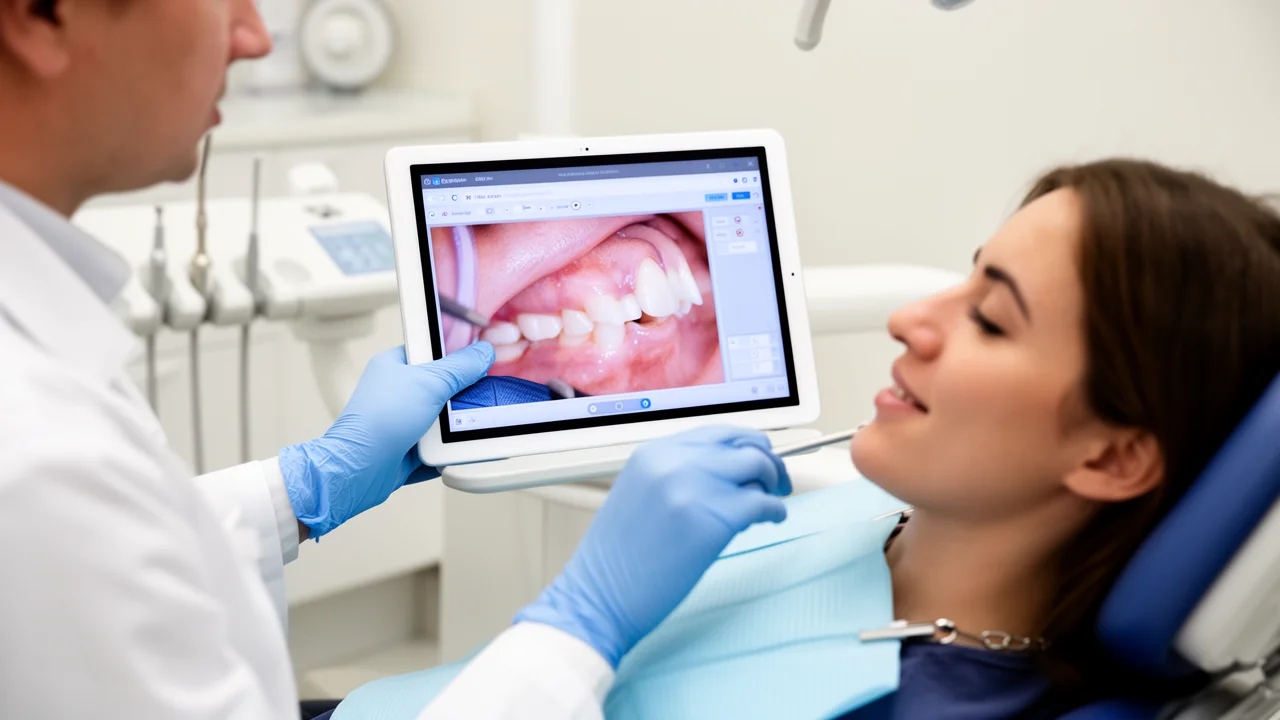
We strive to make scheduling your dental care as convenient as possible. New and existing patients can book appointments by calling our McAllen office at 956-686-5000. We recommend scheduling your next preventive check-up before leaving our office to maintain your six-month routine. If you need to reschedule, we request 24 hours’ notice so we can offer that time to another patient. For your first visit, please arrive a few minutes early to complete any necessary paperwork, and bring your dental insurance card and a list of any medications you are taking.
Insurance, Payments, & Financing
Understanding the financial aspect of dental care is important. We are in-network with many major dental insurance PPO plans and will file claims directly with your provider. It’s important to remember that your insurance policy is a contract between you and your insurer; we can provide estimates, but final coverage is determined by your plan. For patients without insurance or with treatments not fully covered, we offer several payment options, including cash, check, major credit cards, and third-party financing plans through CareCredit. We believe everyone deserves access to quality dental care and are happy to discuss all available payment options for Rio Grande Valley families.
Common Procedures & What to Expect
Knowing what to expect can ease any anxiety about dental procedures.
- Cleanings & Exams: A routine visit includes a professional cleaning to remove plaque and tartar, a thorough examination of your teeth and gums, and often digital X-rays to check for issues not visible to the eye. * Fillings: For cavities, we use tooth-colored composite resin that matches your natural tooth shade, providing a strong, aesthetic repair. * Crowns & Bridges: These restorative solutions are used for extensively damaged or missing teeth. We use high-quality materials and precise digital impressions for a perfect fit. * Root Canals: This procedure treats infected tooth pulp. With modern techniques and anesthesia, it is far more comfortable than its reputation suggests and saves the natural tooth.
For all procedures, our team will explain each step, and you can learn more about maintaining results through our preventive care guide.
Overcoming Dental Anxiety
It’s normal to feel nervous about dental visits. At McAllen Dental, patient comfort is our top priority. We create a calm, welcoming environment and encourage open communication. Tell us about your concerns so we can tailor your experience. We offer sedation dentistry options, including nitrous oxide (“laughing gas”) and oral sedation, to help you relax during treatment. Our team moves at your pace, explains everything in advance, and uses gentle techniques. Our goal is to build a trusting relationship where you feel safe and in control throughout your care.